Relief From Aching, Restless, Swollen, or Painful Legs May Be Easier Than You Think
Do your legs ache at the end of the day? Do you experience restless legs at night, swelling around your ankles, leg heaviness, or visible varicose veins?
These symptoms may signal an underlying vein condition called venous insufficiency, which occurs when the veins in your legs have difficulty returning blood efficiently to your heart.
At Oregon Weight Loss Surgery, we offer minimally invasive vein treatments in Portland, Oregon, for patients experiencing symptoms of venous insufficiency and varicose veins. Treatments including VenaSeal™ and radiofrequency ablation can address unhealthy veins through a simple outpatient procedure, without traditional vein surgery or an extended recovery.
If your legs are aching, restless, swollen, heavy, or simply don’t feel the way they used to, it may be time to find out why.
Could Your Leg Symptoms Be Caused by a Vein Problem?
Many common vein symptoms can be easy to overlook or may not seem like signs of an underlying vein problem.
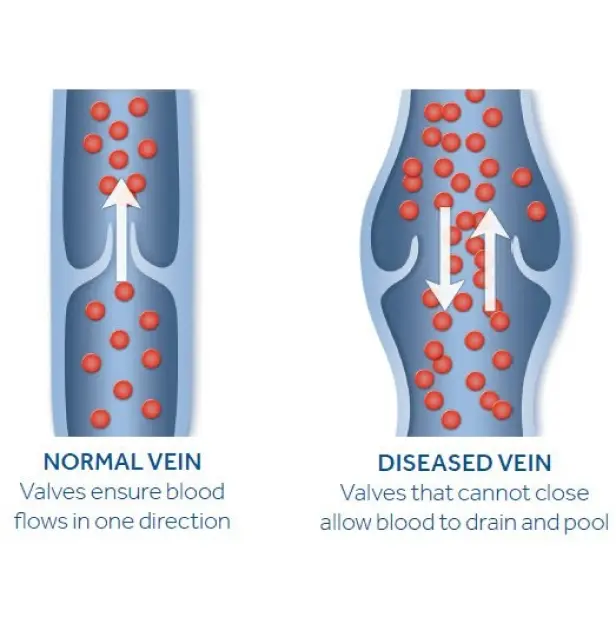
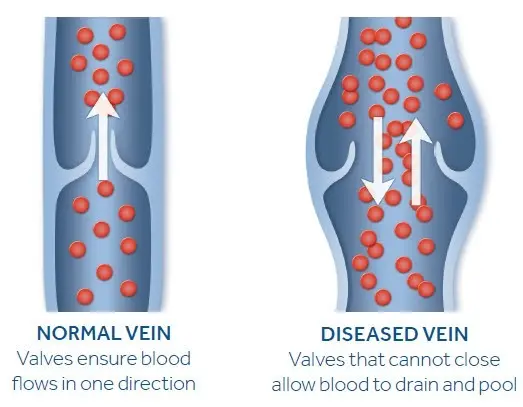
When the valves in the veins of your legs don’t work properly, blood can flow backward and pool in your lower legs. This increases pressure within the veins and can cause a variety of uncomfortable symptoms.
Some of the most common vein conditions and vein symptoms we evaluate include:
Chronic Venous Insufficiency (CVI)
Read More
Venous insufficiency occurs when the valves in the leg veins do not efficiently move blood back toward the heart.
Instead of continuing upward, some blood flows backward and collects in the legs. Over time, this increased pressure can lead to aching, swelling, heaviness, restlessness, skin changes, varicose veins, and other symptoms.
Venous insufficiency is a chronic and often progressive condition, meaning symptoms can become more noticeable over time if the underlying vein dysfunction is not addressed.
Varicose Veins
Read More
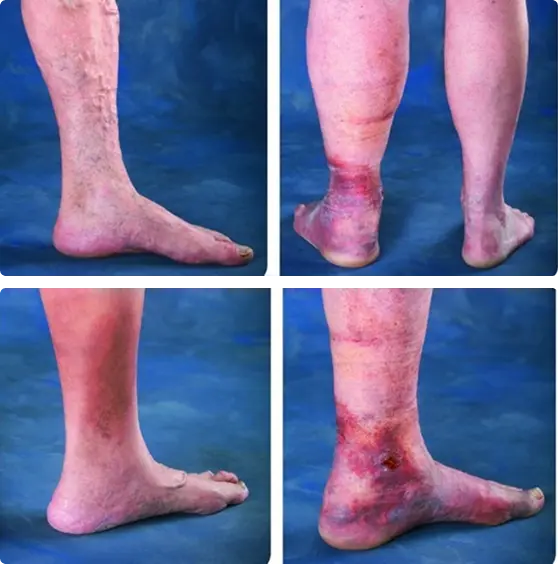
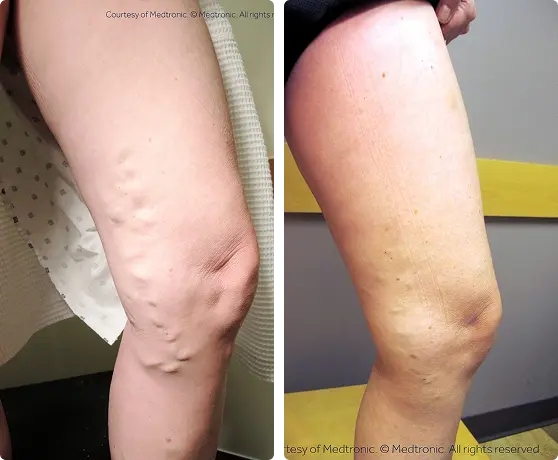
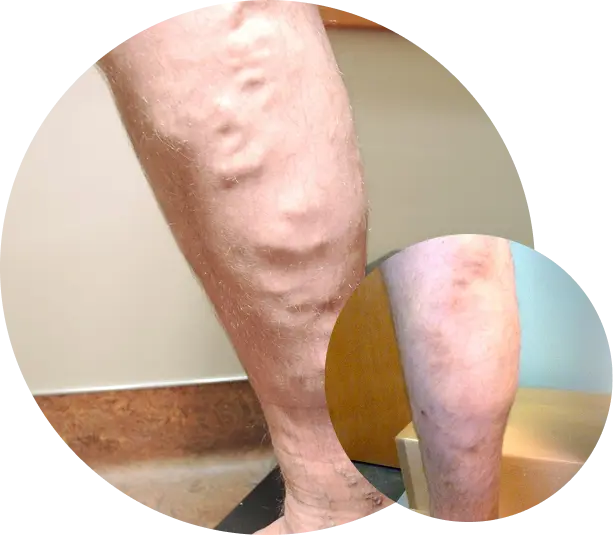
Varicose veins are enlarged, twisted, or bulging veins that most commonly develop in the legs. They may appear blue or purple and can sometimes look rope-like beneath the skin.
While many people think of varicose veins as primarily cosmetic, they can also signal underlying venous insufficiency.
Varicose veins may cause aching, throbbing, burning, itching, tenderness, swelling, or a feeling of pressure in the legs.
Restless Leg Syndrome
Read More
Do you feel like you constantly need to move your legs, particularly when you are sitting still or trying to sleep?
Restless Leg Syndrome can have many different causes, but vein problems may contribute to restless or uncomfortable sensations in the legs for some patients. When venous insufficiency causes blood to pool in the lower extremities, patients may feel restlessness, heaviness, aching, throbbing, or discomfort.
If you experience persistent restless legs along with swelling, visible veins, aching, or heaviness, a vein evaluation may help determine whether venous insufficiency could be contributing to your symptoms.
Aching or Painful Legs
Read More
Leg aching is easy to dismiss, especially after a long day.
But recurring aching, throbbing, burning, or tenderness in your legs may be associated with poor vein function.
One clue can be when your symptoms occur. Venous symptoms may become worse after sitting or standing for extended periods and may be more noticeable toward the end of the day.
Leg Heaviness and Fatigue
Read More
Do your legs feel unusually heavy or tired, even when you haven't done anything particularly strenuous?
When blood doesn't move efficiently out of the lower legs, increased venous pressure can contribute to heaviness or fatigue.
Leg and Ankle Swelling
Read More
Swelling around the ankles or lower legs, particularly swelling that becomes more noticeable later in the day, can sometimes be associated with venous insufficiency.
Venous insufficiency is one cause of leg swelling or edema, and several other medical conditions can cause leg swelling; a comprehensive medical evaluation assesses these.
Nighttime Leg Cramping
Read More
Frequent cramping or uncomfortable sensations in the legs at night may have several possible causes. When cramping occurs along with other symptoms such as swelling, heaviness, aching, or varicose veins, venous disease may be one factor worth evaluating.
Skin Changes Around the Ankles or Lower Legs
Read More
More advanced venous insufficiency can cause skin changes, including itching, dryness, inflammation, or brownish discoloration around the lower legs and ankles.
In severe cases, chronic venous disease can contribute to slow-healing wounds or venous ulcers.
What Causes Varicose Veins and Venous Insufficiency?
Your veins carry blood back to your heart, using small valves to keep blood moving in the right direction. When these valves weaken, blood can flow backward and pool in the legs, a condition known as venous reflux. Over time, this can lead to varicose veins, chronic venous insufficiency, swelling, aching, and heaviness in the legs.
Risk factors include family history, aging, pregnancy, obesity, previous blood clots, and long periods of sitting or standing. Compression stockings, regular walking, and leg elevation may help manage mild symptoms, while persistent vein problems may benefit from treatment.
How It Works
Vein Treatments at Oregon Weight Loss Surgery
Oregon Weight Loss Surgery offers minimally invasive outpatient vein treatments in Portland designed to close problematic veins so blood can naturally reroute through healthier veins.
VenaSeal™
VenaSeal™ is a minimally invasive treatment for venous insufficiency that uses a specially formulated medical adhesive (cyanoacrylate) to close the unhealthy vein.
This biological glue is very safe and has been used in various other medical applications since the 1960’s, including for closing abnormal blood vessels in the brain.
During the procedure, the doctor inserts a small catheter into the affected vein and then delivers a small amount of medical adhesive inside the vein to seal it closed.
Once the problematic vein is closed, blood naturally reroutes through healthier veins in the leg.
An advantage of VenaSeal™ is that it does not rely on heat to close the vein. It can be performed as a quick outpatient procedure, allowing patients to return home the same day. No anesthesia is needed, and patients can drive themselves to the procedure and drive home afterward.
For the right patient, VenaSeal™ can effectively treat the underlying source of venous insufficiency without traditional vein surgery.
Read More
Radiofrequency Ablation
Radiofrequency ablation, or RFA, is another minimally invasive treatment that closes veins affected by venous reflux by heating the vein from the inside to cause inflammation and vein closure.
During radiofrequency ablation, a thin catheter is guided into the affected vein. The catheter delivers radiofrequency energy, creating controlled heat that causes the vein to close.
Once the vein closes, blood is redirected into healthier veins that can return it more efficiently toward the heart.
Radiofrequency ablation is also performed as an outpatient procedure. There are no large surgical incisions, and most patients can resume normal daily activities relatively quickly, depending on their provider’s recommendations.
Read More
Vein Treatment Doesn’t Have to Mean Major Surgery
Both VenaSeal and radiofrequency ablation are minimally invasive outpatient procedures that can be performed without the large incisions associated with traditional vein surgery.
Depending on your individual treatment plan, you will be up walking right after your procedure and return to your usual activities quickly.
Our goal at Oregon Weight Loss Surgery is to make the process as comfortable and convenient as possible, from your initial vein evaluation through treatment and follow-up.
Am I a Candidate for Vein Treatment?
You may benefit from a vein evaluation if you experience:
- Venous insufficiency
- Varicose veins
- Restless or uncomfortable legs
- Aching or painful legs
- Leg heaviness or fatigue
- Swelling in your legs or ankles
- Throbbing or burning sensations
- Nighttime leg cramping
- Itching around visible veins
- Skin discoloration around your ankles
- Symptoms that become worse after prolonged sitting or standing
- Bulging or increasingly noticeable veins

Why Choose Oregon Weight Loss Surgery for Vein Treatment?
At Oregon Weight Loss Surgery, we want to help our patients improve their overall health, mobility, quality of life, and ability to comfortably participate in the activities they enjoy.
For patients struggling with obesity or who have experienced significant weight loss, leg discomfort and vein concerns can be another piece of that bigger health picture.
By offering vein treatment in Portland, we can evaluate symptoms such as aching, swelling, heaviness, restless legs, and varicose veins and determine whether an underlying circulation problem may be contributing.
When treatment is appropriate, minimally invasive options such as VenaSeal and radiofrequency ablation allow us to address the problematic vein through a simple outpatient procedure.